
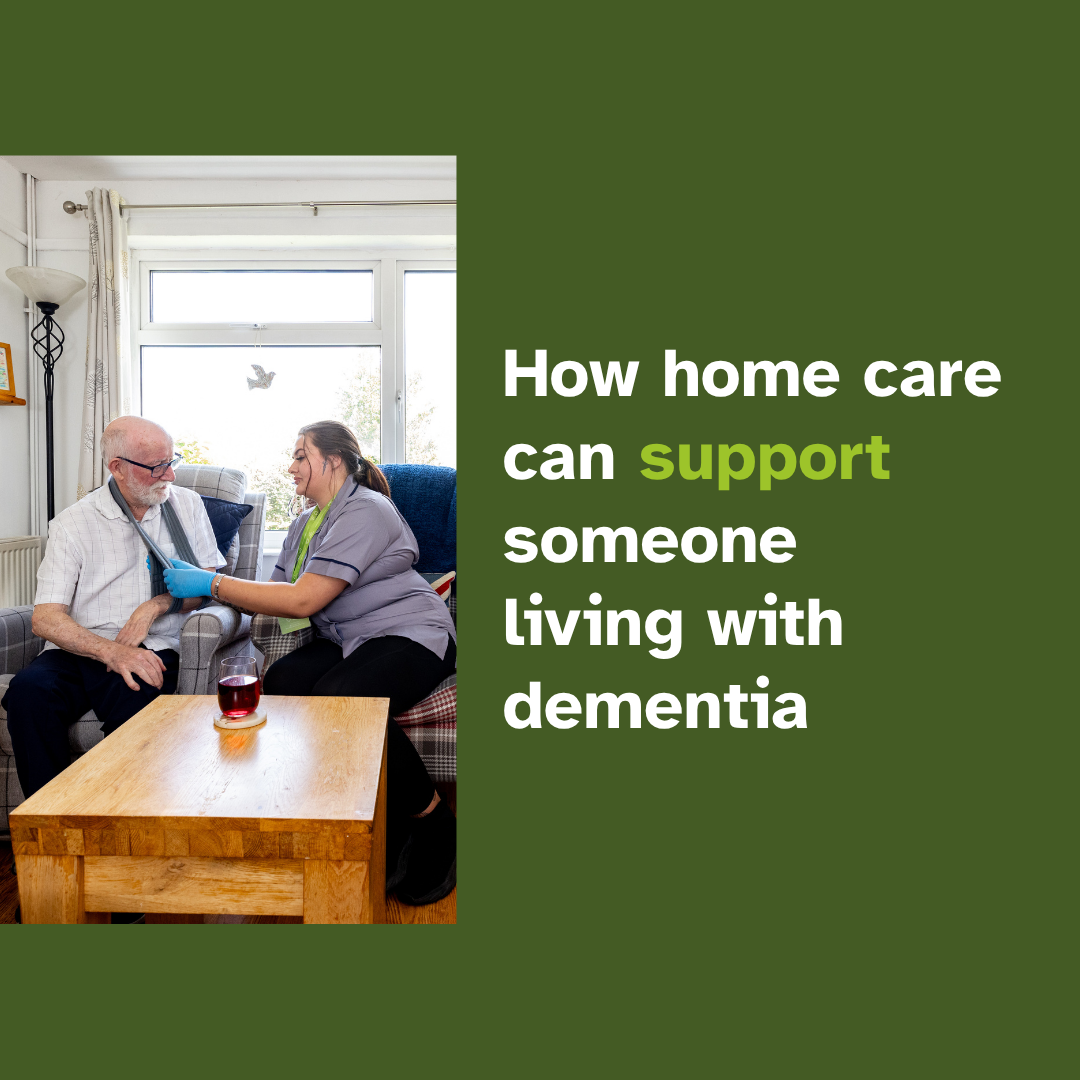
How home care can support someone living with dementia
A dementia diagnosis can bring many questions and uncertainties – both for the person living with dementia and for the people who care about them. Dementia affects everyone differently, and many people continue to live safely, comfortably and independently at home for a long time with the right support...

Heat Health Alert: Services Continuing as Normal
The UK Health Security Agency (UKHSA) and the Met Office have issued a Red Heat Health Alert across many parts of England, including areas in which Provide Community services operate. We are working closely with our services to ensure we continue to provide safe, high-quality care for our patients...
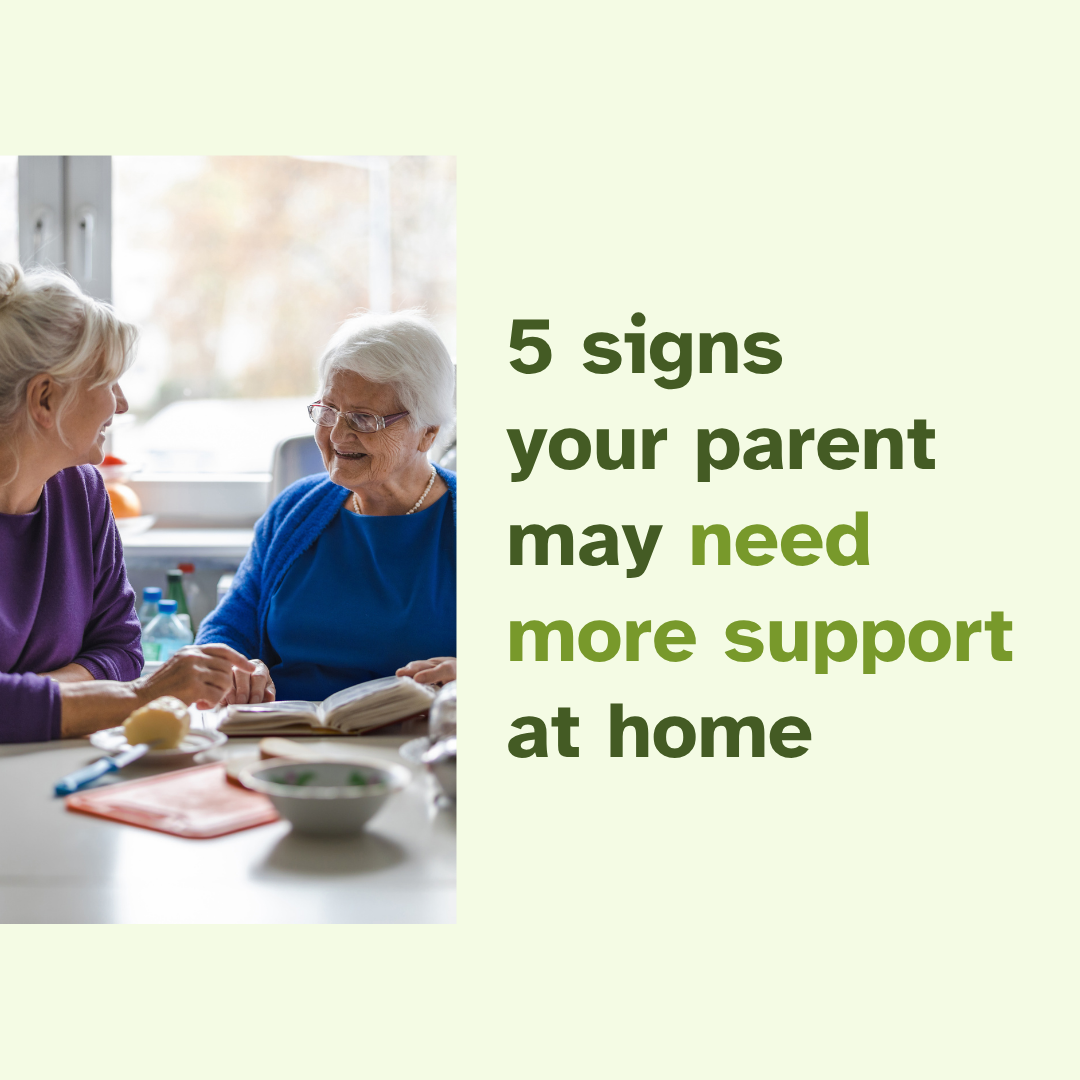
5 signs your parent may need more support at home
As parents get older, the changes can happen gradually. A missed appointment here, an untidy kitchen there, or a growing hesitation about going out alone. Often, families are not looking for “care” at first – they are simply noticing that something feels different. Recognising the early signs that an...

What is respite care? A simple guide for family carers
Caring for someone you love can be one of the most meaningful things you do but it can also be physically and emotionally demanding. When you’re supporting a parent, partner or relative day in and day out, it’s easy to put your own needs to one side. And sometimes, you simply need a break. That’s where respite...
Provide Community publishes Social Value Report April 2024 to March 2026, highlighting £16.6million impact and £1.4million reinvested
Provide Community has published its Social Value Report April 2024 to March 2026, showcasing the organisation’s continued commitment to creating meaningful impact beyond health and social care delivery. As an employee-owned, Community Interest Company, social value is at the heart of everything Provide Community does. The Social Value Report...
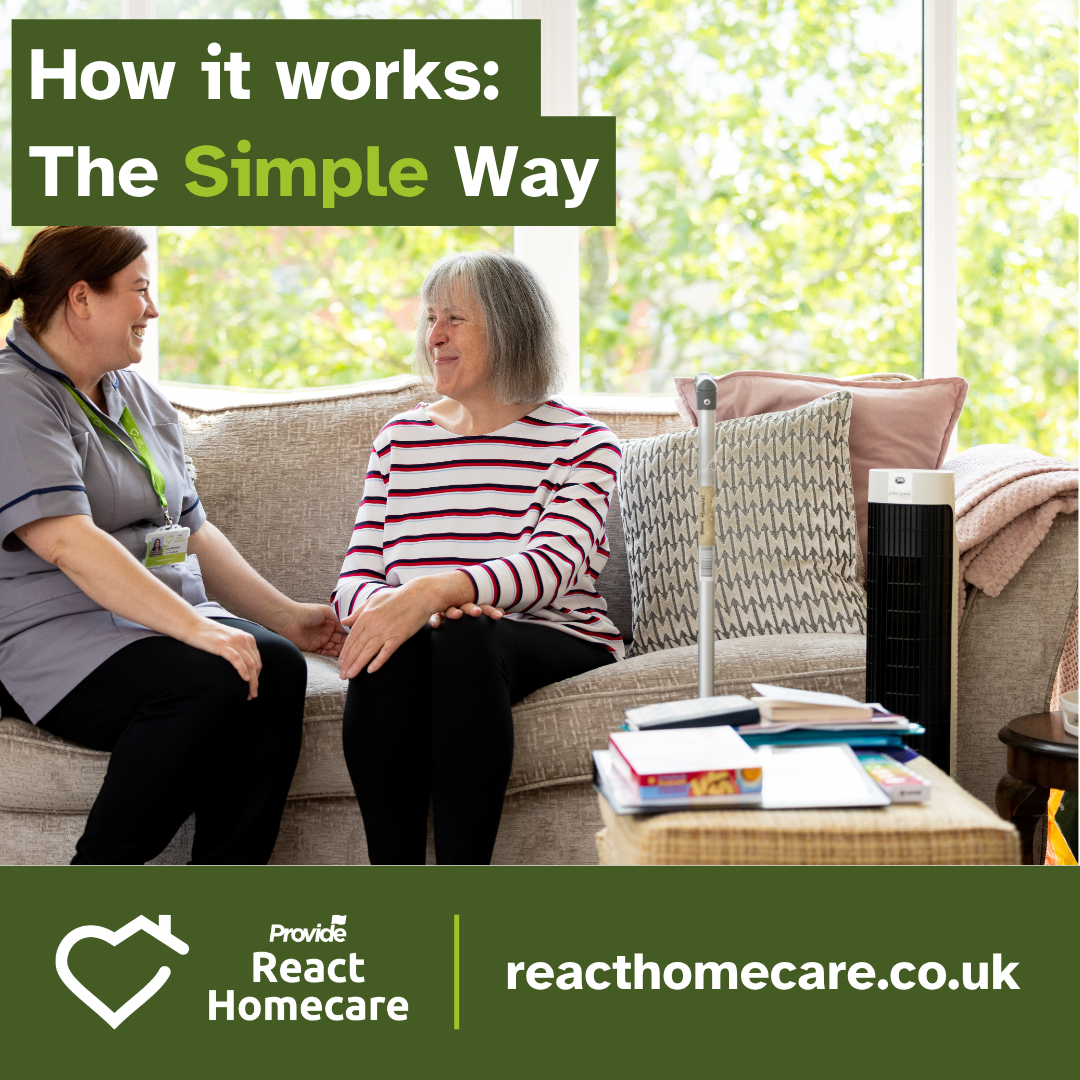
How to arrange home care in the UK (step-by-step guide)
How do you arrange home care in the UK? You can arrange home care in two ways: Privately (self-funded) – you contact a care provider directly Through your local council – following a needs and financial assessment Both options lead to personalised support at home, but the process differs...
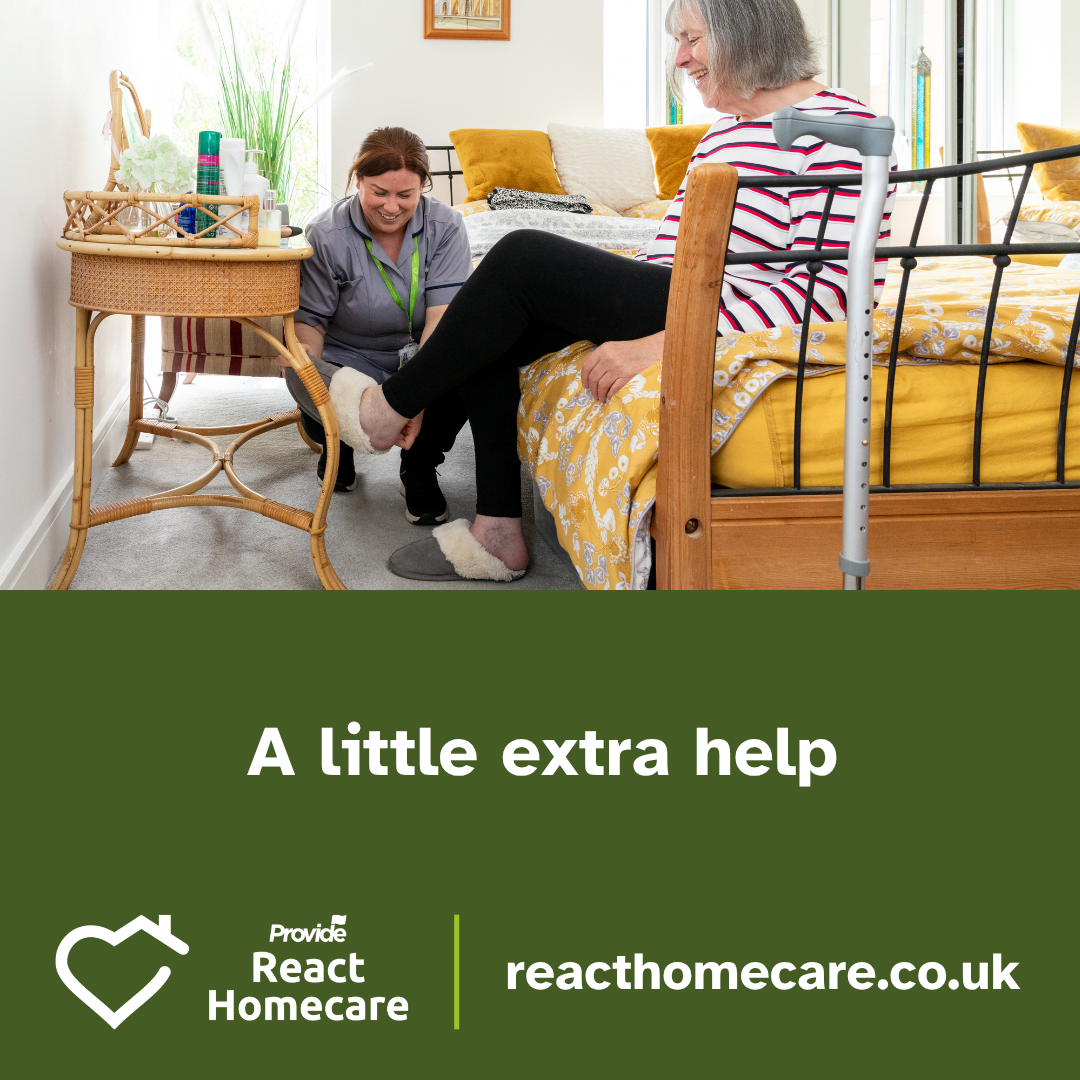
When does an elderly person need home care?
An older person may need home care when daily tasks, safety, or health begin to decline, or when they struggle to manage independently at home. The NHS advises families to look for changes in routine, mobility, nutrition, and wellbeing. 1. Changes in hygiene or home cleanliness A noticeable decline...
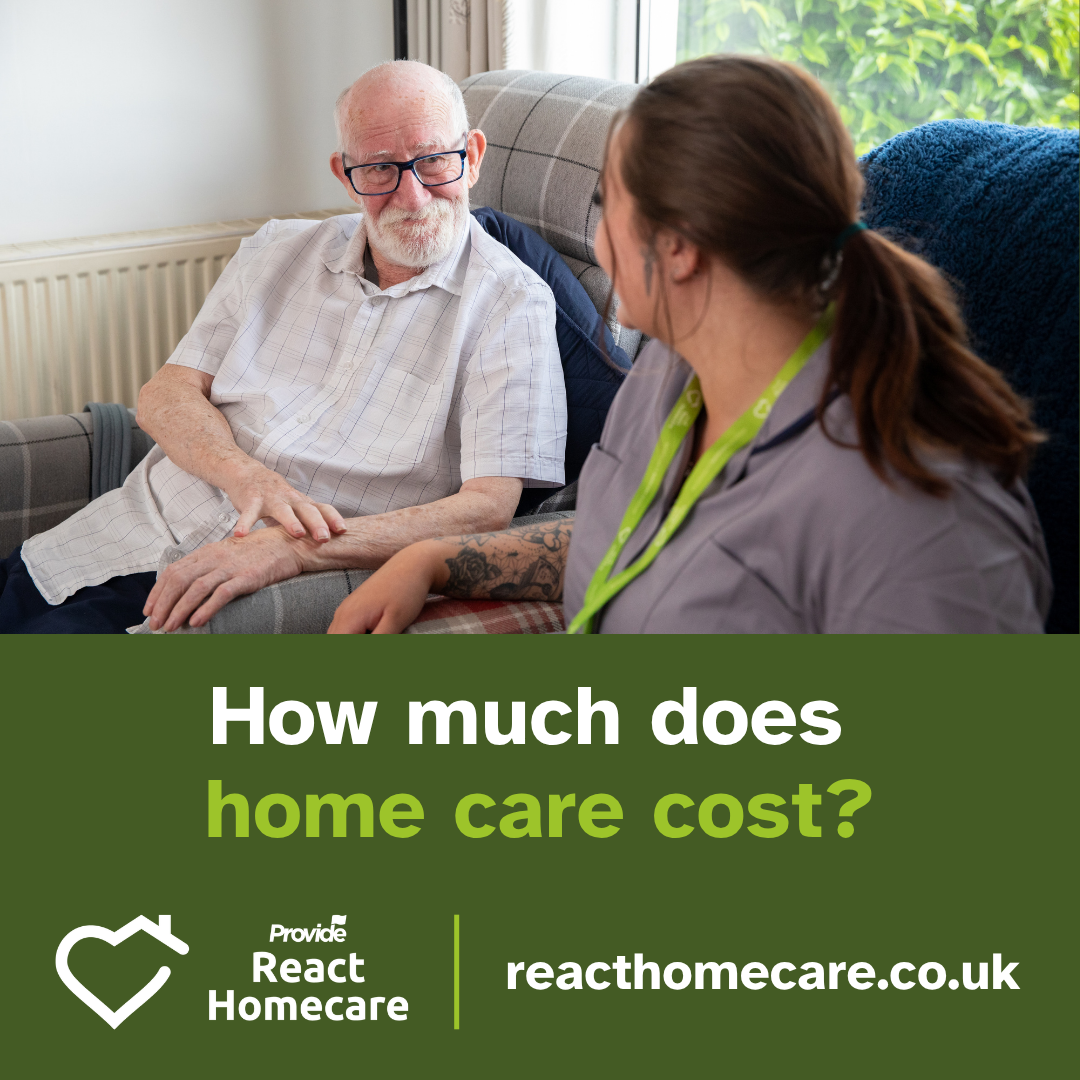
How much does home care cost in the UK?
Home care in the UK typically costs between £20 and £35 per hour, depending on your location and the level of care required. If you qualify for support, your local council may help cover some or all of the cost following a needs and financial assessment. What is home...