
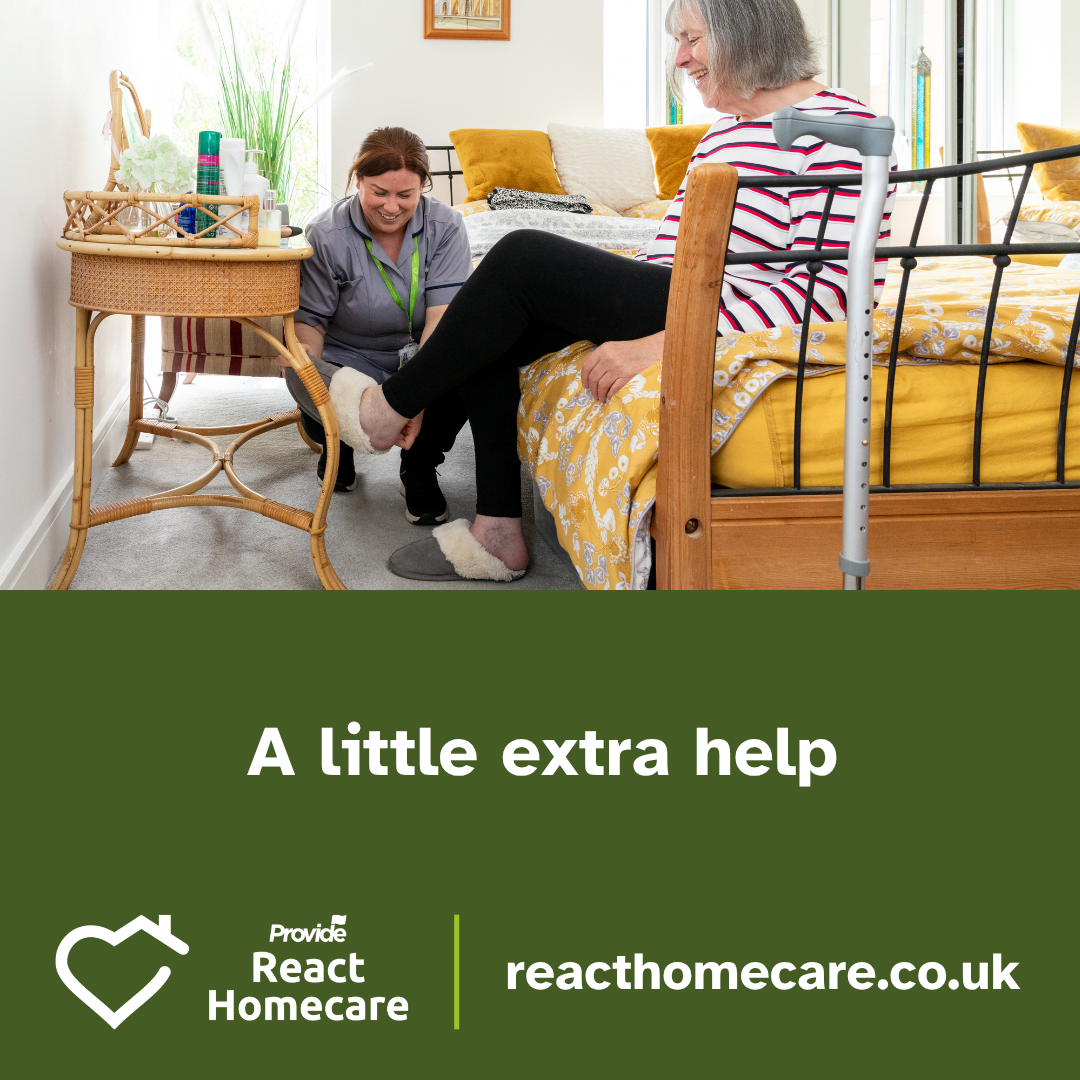
An older person may need home care when daily tasks, safety, or health begin to decline, or when they struggle to manage independently at home.
The NHS advises families to look for changes in routine, mobility, nutrition, and wellbeing.
1. Changes in hygiene or home cleanliness
A noticeable decline in cleanliness can be an early warning sign.
Look for:
- Unwashed clothes
- Personal hygiene changes
- A messy or cluttered home
This may indicate that everyday tasks are becoming difficult to manage.
2. Unexplained weight loss or poor eating habits
Nutrition plays a vital role in maintaining health.
Signs to watch for include:
- Skipped meals
- Out-of-date or unused food
- Weight loss
According to the NHS, older adults are at increased risk of malnutrition, especially when living alone.
3. Difficulty managing medication
Medication routines can become confusing over time.
Warning signs include:
- Missed doses
- Taking the wrong medication
- Uncertainty about prescriptions
Medication errors are a common cause of avoidable health issues.
4. Social withdrawal or loss of interest
Changes in behaviour may indicate declining wellbeing.
Look out for:
- Avoiding social interaction
- Loss of interest in hobbies
- Low mood or withdrawal
The NHS recognises loneliness and isolation as significant health risks for older adults.
5. Falls or reduced mobility
Falls are one of the most serious risks.
Watch for:
- Bruising
- Difficulty walking
- Hesitation on stairs
Falls are a leading cause of injury-related hospital admissions among older people in the UK.
Why early support is important
Recognising these signs early allows you to:
- Introduce care gradually
- Maintain independence
- Prevent emergency situations
Home care is designed to support independence, not take it away.
What should you do if you’re concerned about your parent?
If you’ve noticed one or more of these signs:
- Speak openly with your parent
- Explore support options
- Consider a care assessment
Getting advice early can make the process much easier.
FAQ: When to get home care
What are the first signs an elderly person needs help?
Changes in hygiene, mobility, eating habits, or behaviour are often early indicators.
Who decides if someone needs care?
A local council or care provider can carry out a needs assessment to determine this.
Can someone stay at home with care support?
Yes, home care is designed to help people remain safely in their own home.
Is it better to start care early?
Yes, early support can prevent health issues and maintain independence for longer.
Final thoughts
Knowing when to step in can be difficult but recognising the signs early makes a real difference.
With the right support, your loved one can continue living safely and comfortably at home.
Arrange your free care assessment today
